Exploring transformative actions
Only well targeted and inclusive actions can put us on sustainable pathways. Through our visioning process, we imagined a set of transformative actions, sometimes based on existing initiatives, that could help us ensure a sustainable, resilient, and just future.
A few of these actions are described below, along with examples of inspiring initiatives that guided us in the visioning process.
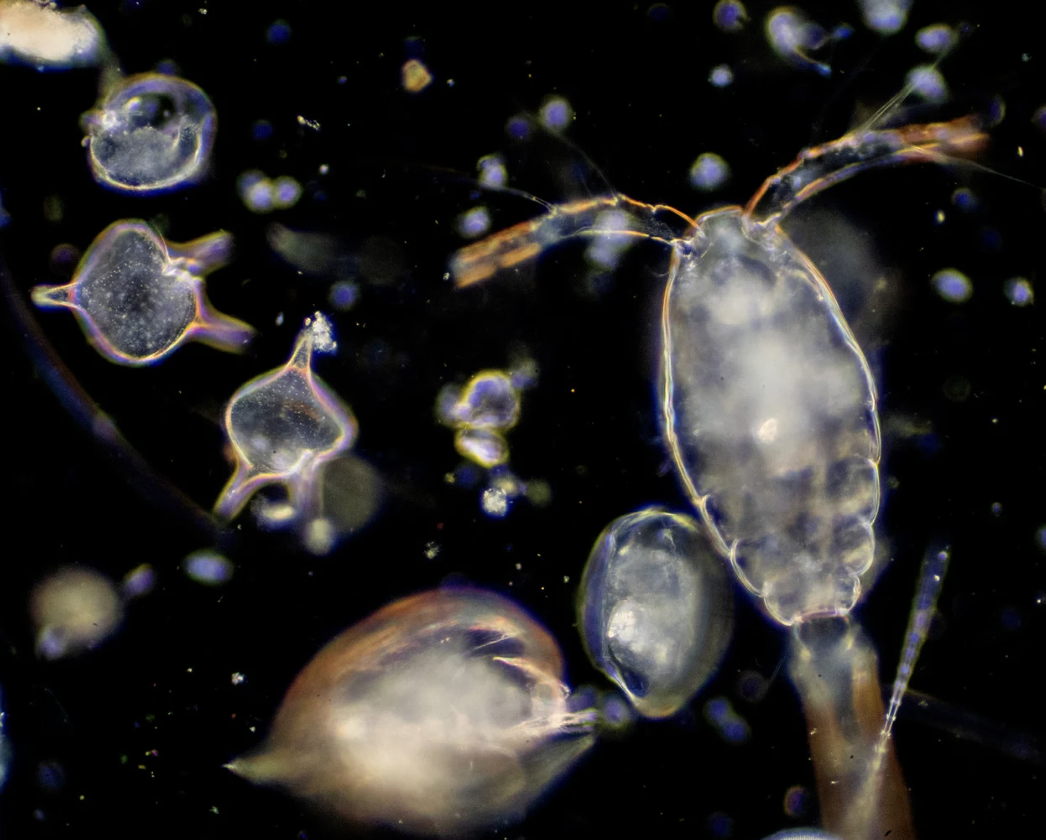
Developing ocean research and innovation hubs
Develop ocean research and innovation hubs in all countries as centres of excellence to drive ocean science and innovation, and encourage the next generation of scientists and blue industries.
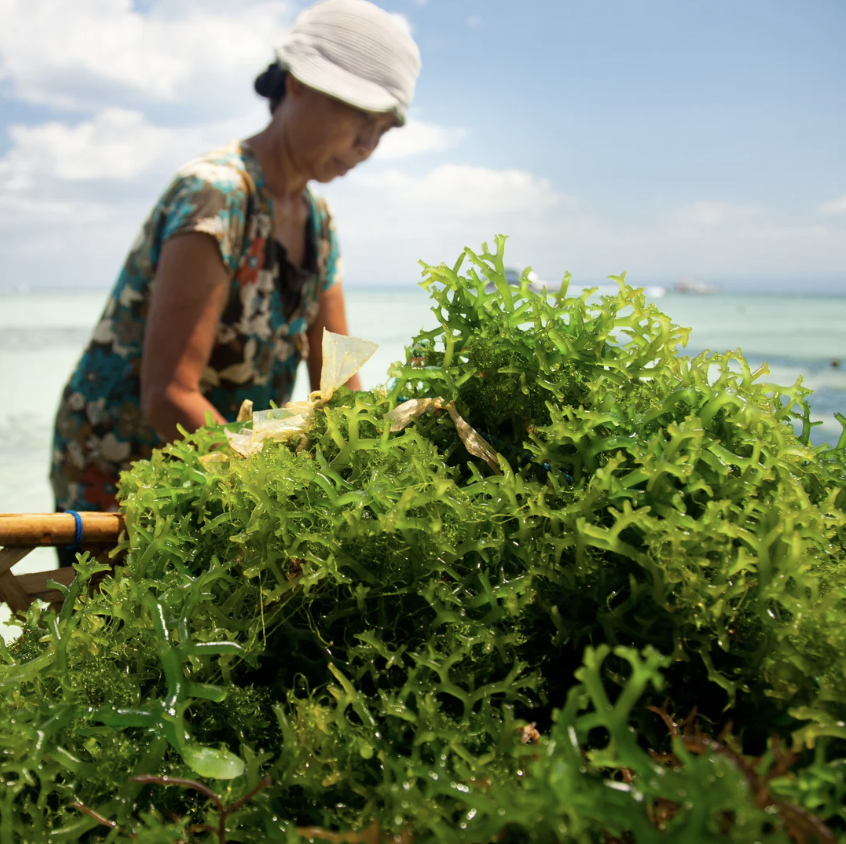
These hubs could promote nature-based solutions and leverage the ecological functions of ocean ecosystems. For instance, the Blue Hub transformation initiative led by SOS Biotech in the Caribbean focuses on transforming Sargassum, an invasive seaweed, into agricultural biostimulants, cosmetics, and bioplastics. The Australian seaweed Institute establishes native regenerative seaweed aquaculture near the Great Barrier Reef to improve water quality and enhance coral resilience. AgriSea is a family-run business that harvests seaweed and transforms it into biostimulants for organic farming.
Reframe the narrative around blue jobs
The narrative around blue jobs must shift to attract more people — particularly youth — into ocean-related careers. Currently, many perceive blue jobs as neither viable nor desirable, particularly as small-scale fishers and ocean workers often face economic hardship. This discourages younger generations from pursuing careers in the sector. To transform these perceptions, governments must implement new policies that improve job security and wages, particularly for small-scale workers. At the same time, positive storytelling through education, media, and cultural narratives should reframe blue jobs as vital, respected professions.
This reframing must also include gender equity and the leadership of women in the blue economy. For instance, the ‘Women in Ocean Food’ programme supports capable and inspiring women to thrive in the blue food sector, providing resources, training, and networking opportunities.
Develop immersive virtual reality programs on ocean ecosystems
Create immersive virtual reality (VR) experiences focused on ocean ecosystems, and integrate them into educational curricula to build emotional connection and ocean literacy among learners.
Examples include The Scubaverse, an immersive gaming experience to increase ocean awareness and foster empathy and compassion for the underwater world. « Explorer » is a web-based 3D platform designed to enhance ocean literacy and spark interest in ocean studies, targeted at middle and high school students.
Build fair and sustainable seafood hubs for small-scale fishers
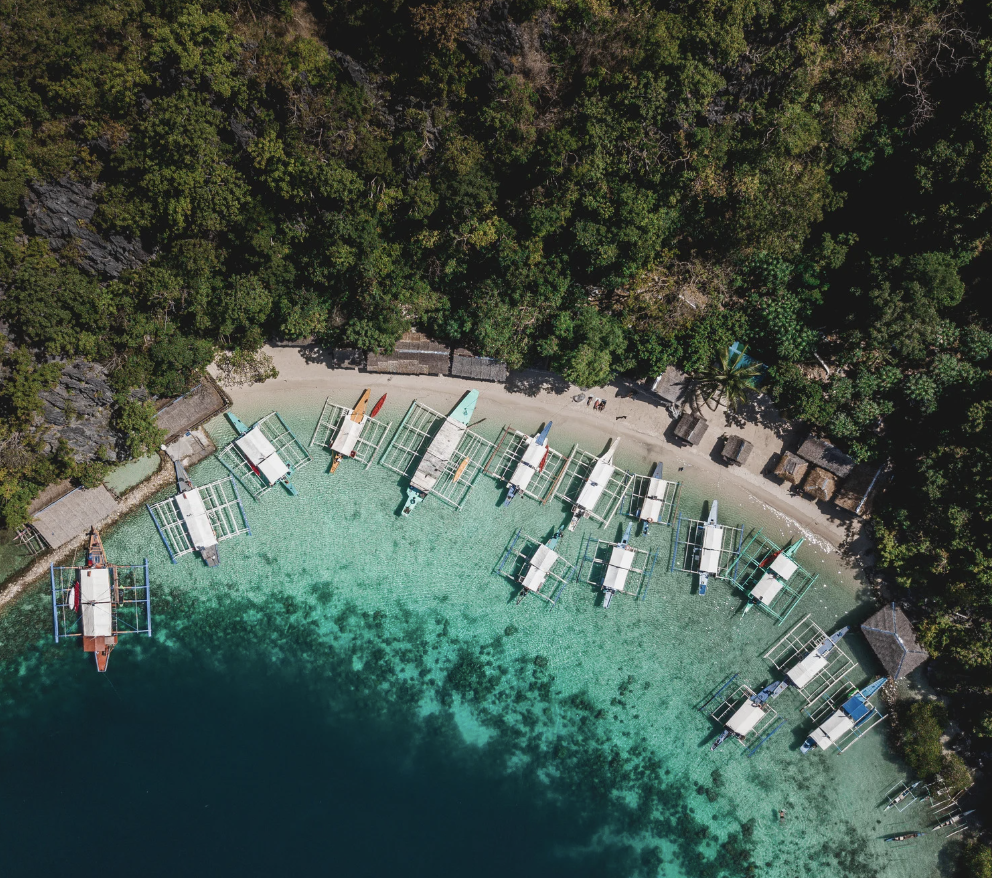
Establish a globally supported, locally rooted initiative to transform small-scale fisheries (SSF) into equitable, regenerative, and market-empowered systems. Integrate fair trade practices, value chain optimisation, and digital decision-support tools to ensure SSF communities are central actors in sustainable ocean economies.
« El Maracado Del Mar » is an initiative under the umbrella of Coopesolidar that aims to fairly market products from the sea, suporting the livelihoods of local fishermen. The SmartFish Value Rescue Model empowers small-scale fishers to become regenerative entrepreneurs, adopting sustainable practices, improving product quality, and gaining agency in market relationships. FishPath is a tool developed by TNC to help fisheries transition to sustainability by offering science-based options through an online decision-support tool, guided by a stakeholder engagement process.
Creating a public, open-source ocean transparency dashboard
Creating a public, open-source ocean transparency platform which integrates ecological and social data in real time, allowing decision-makers, scientists, and the public to monitor ocean health, track marine resources, and detect harmful and illegal activities.
This could draw on initiatives such as EARWAC (Enhancing Adaptation and Resilience against multi-hazards along West Africa’s Coasts), a web-based tool for visualising and analysing critical coastal data. Another example is Mercator Ocean International which delivers state-of-the-art ocean data and forecasts to support sustainable ocean governance, climate resilience, and marine policy implementation. The Tuna Transparency Pledge is a global initiative aimed at achieving 100% monitoring of industrial tuna vessels by 2027, using cameras and GPS to verify onboard activities. The BC100+ Oceans Flagship Laboratory uses a systems approach to understand the barriers to blue finance and ways they can be addressed using technology such as blockchain, enabling real-time tracking of project outcomes, credits, and compliance.
 An Ocean of Possibilities